


Tiny Kingdoms: A Guide to Southwest Florida Ants
Nestled in the lush landscapes of Southwest Florida, immense but unseen kingdoms bustle right beneath our feet – a magically diverse world of ants.
Fire. Carpenter. Ghost. Crazy. Big-Headed.
Their names may sound cool, but these common Southwest Florida ants are major pests. And these are only just the tip of the anthill. After all, more than 200 species of ants have colonized the state of Florida, many of which are right here in our own backyard—literally!
Fortunately, Pest Wizard knows how to handle them all.
These industrious insects actually play crucial roles in the ecosystem. From aerating the soil to controlling pest populations, their presence is evidence of the amazing web of life all around us.
However, you certainly don’t want that web of life biting your feet as you play outside with the kids. And you’re not the least bit amazed as the little buggers boldly march back and forth across your kitchen counter in search of your latest crumbs to steal.
At Pest Wizard, we recognize the importance of understanding our tiny neighbors, not only to appreciate their ecological roles but also to manage them effectively within our homes and gardens.
Let's take a look at just some of the fascinating varieties of ants that call Southwest Florida home.
Common Ants of Southwest Florida:
The Argentine Ant
(Monomorium pharaonis)
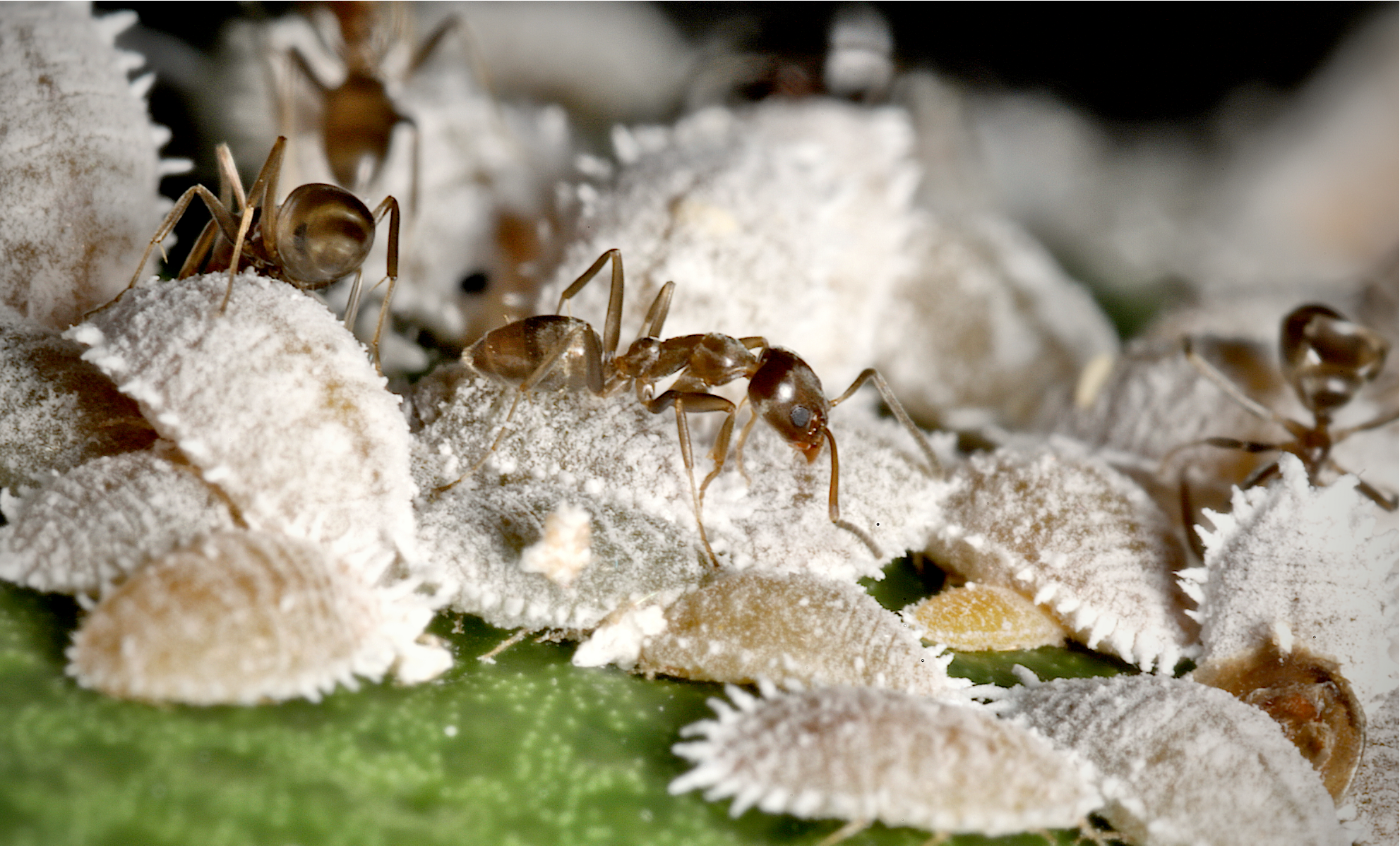
Originally from South America, the Argentine ant is a notorious invader known for forming supercolonies. These ants are particularly adaptable and can quickly dominate an area, displacing native ant species and disrupting local ecosystems. Argentine ants are small, ranging in color from light to dark brown, and are often found trailing along sidewalks, walls, and foundations in search of food. To manage them, it is essential to eliminate standing water and food sources, while also sealing entry points into buildings.
The Big-Headed Ant
(Pheidole megacephala)
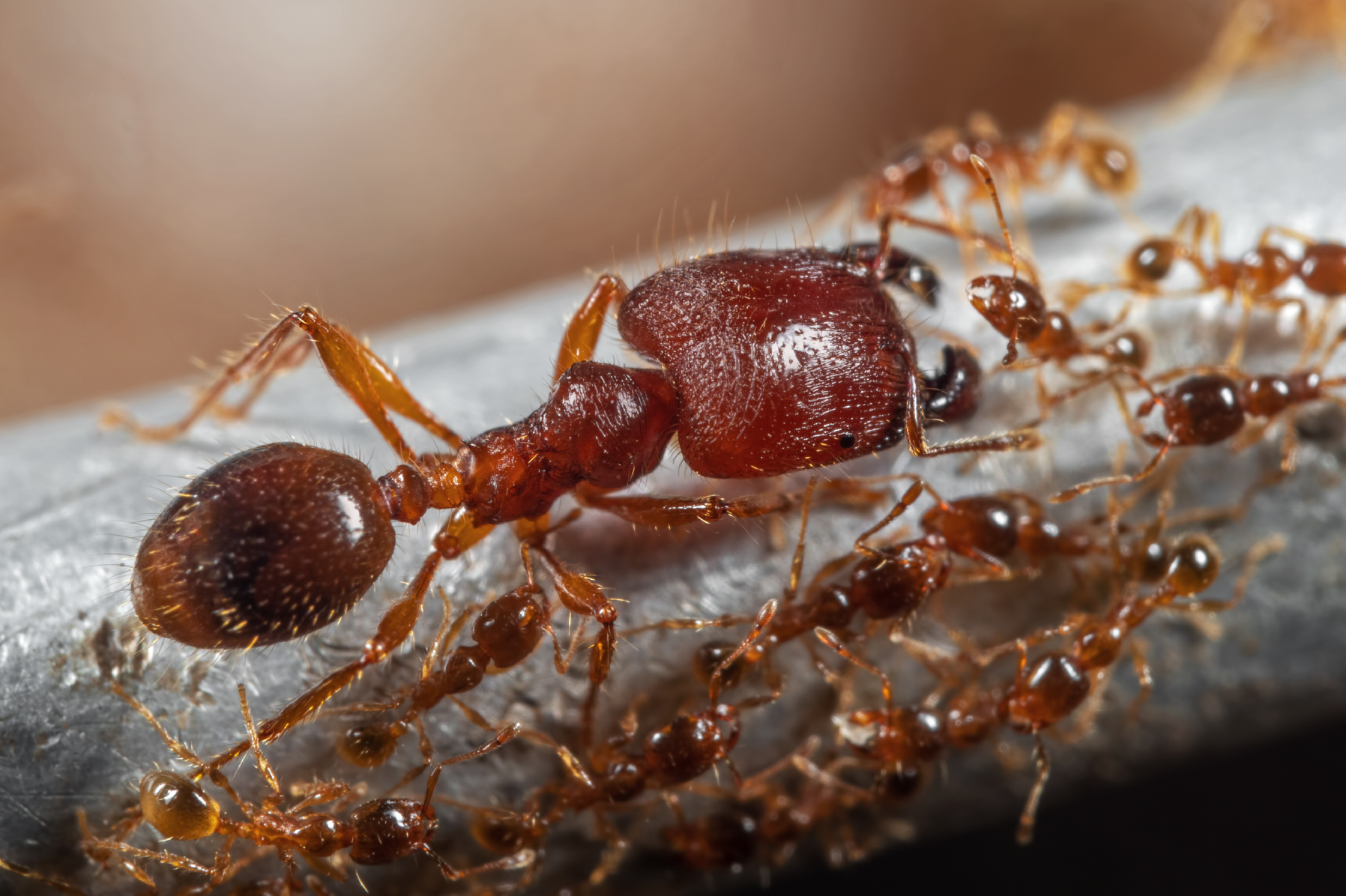
Big-headed ants are named for the disproportionately large heads of their soldier caste. They primarily feed on seeds and insects, making them less likely to invade homes but a common sight in gardens. They can displace native ant species, affecting the local biodiversity. Management involves maintaining a balanced garden ecosystem to prevent their overpopulation.
The Carpenter Ant
(Camponotus spp.)
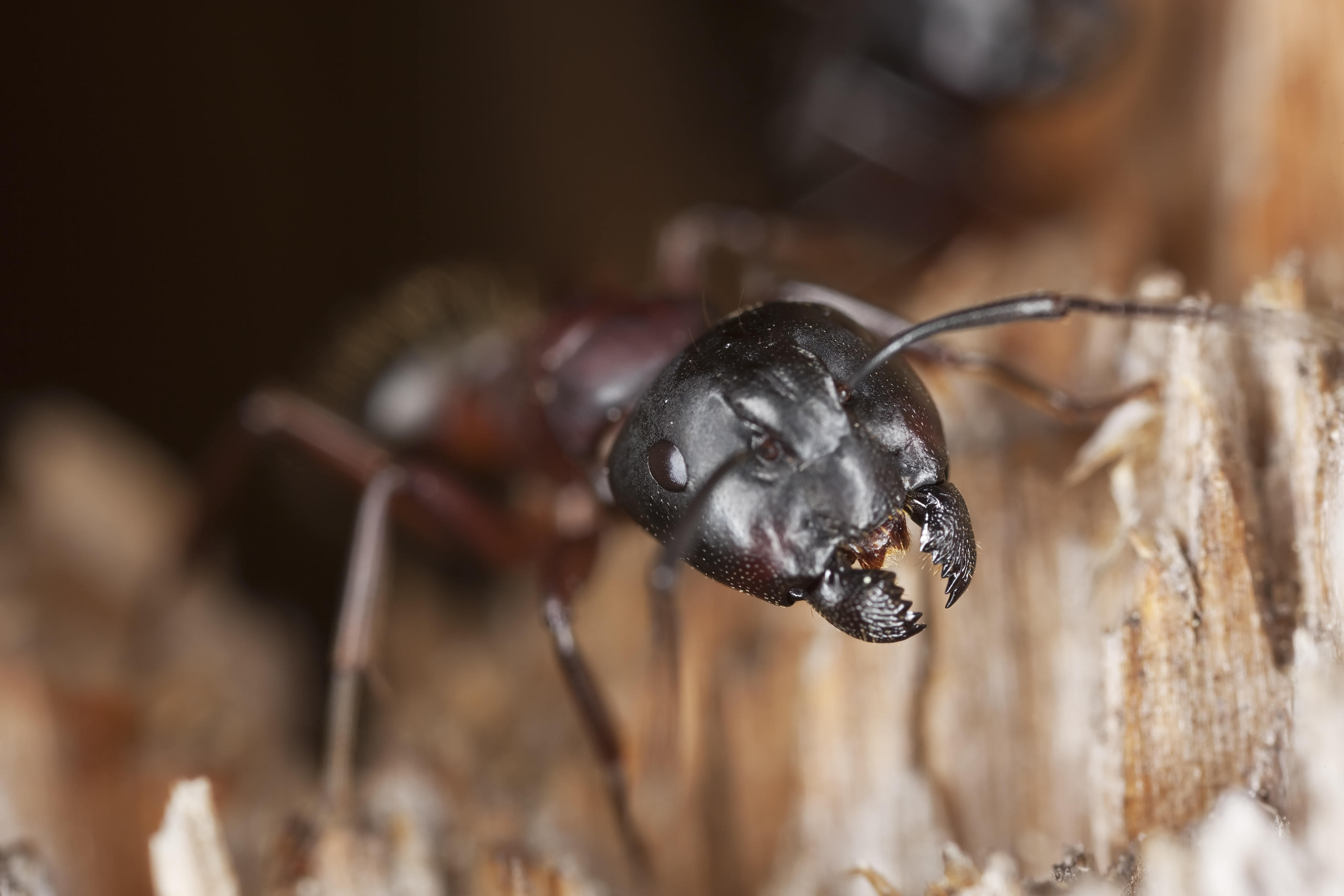
Carpenter ants, distinguished by their size and preference for nesting in wood, pose a unique challenge to homeowners. Unlike termites, they don't eat wood but excavate it to establish their nests, potentially compromising the structural integrity of wooden buildings over time. Identification of carpenter ants is straightforward due to their large size and black or red and black coloration. Preventive measures include maintaining dry wood conditions and sealing entry points to deter colonization.
The Crazy Ant
(Paratrechina longicornis)
Crazy ants, so named for their erratic walking patterns and behavior, are another common species in Southwest Florida. They are small, dark-colored ants that can invade homes in search of food and moisture. Unlike other ant species, crazy ants are not attracted to typical ant baits, making their management more challenging. Effective control often involves professional assistance to identify and treat nests directly, along with environmental modifications to reduce moisture and food availability.
The Fire Ant
(Solenopsis invicta)
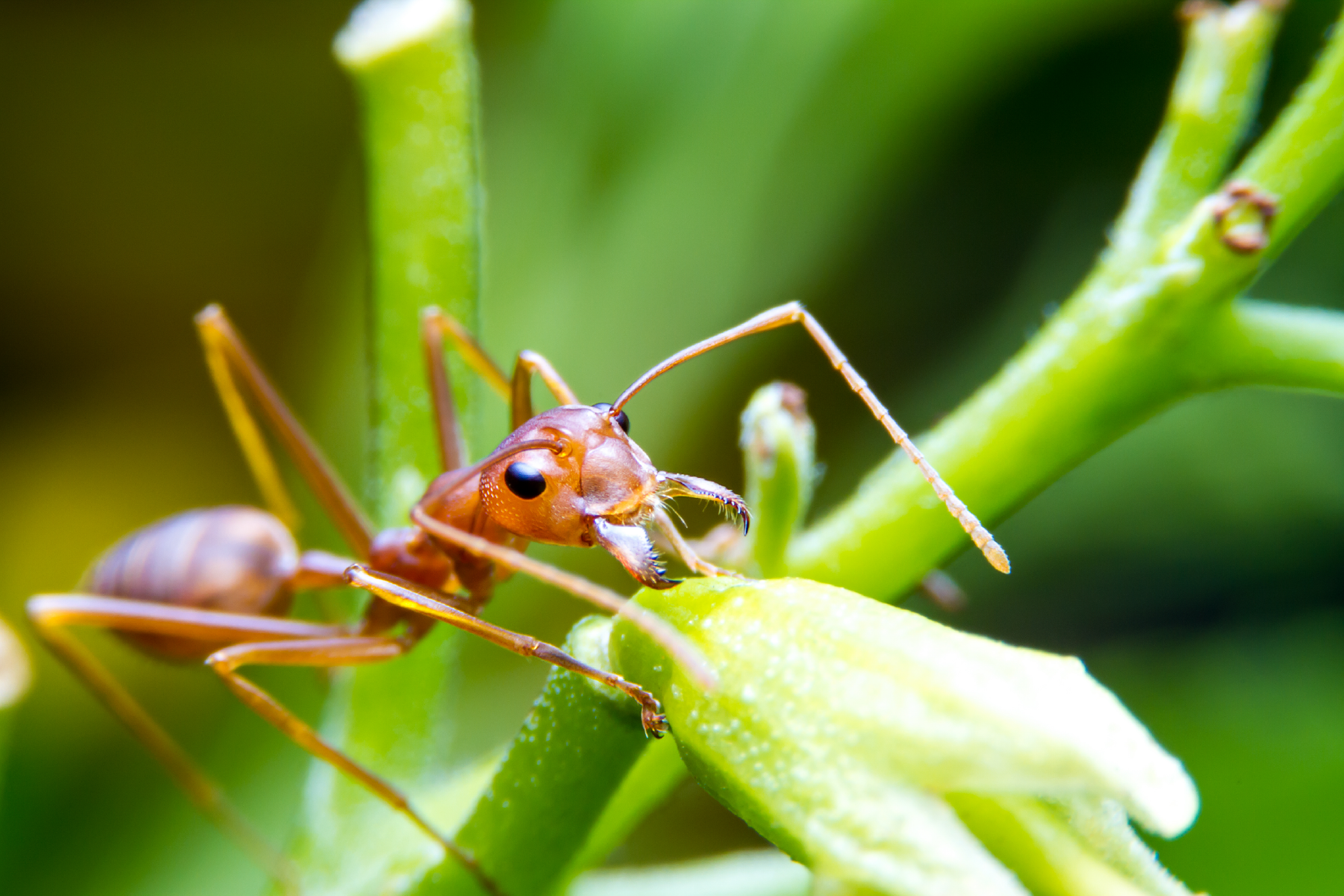
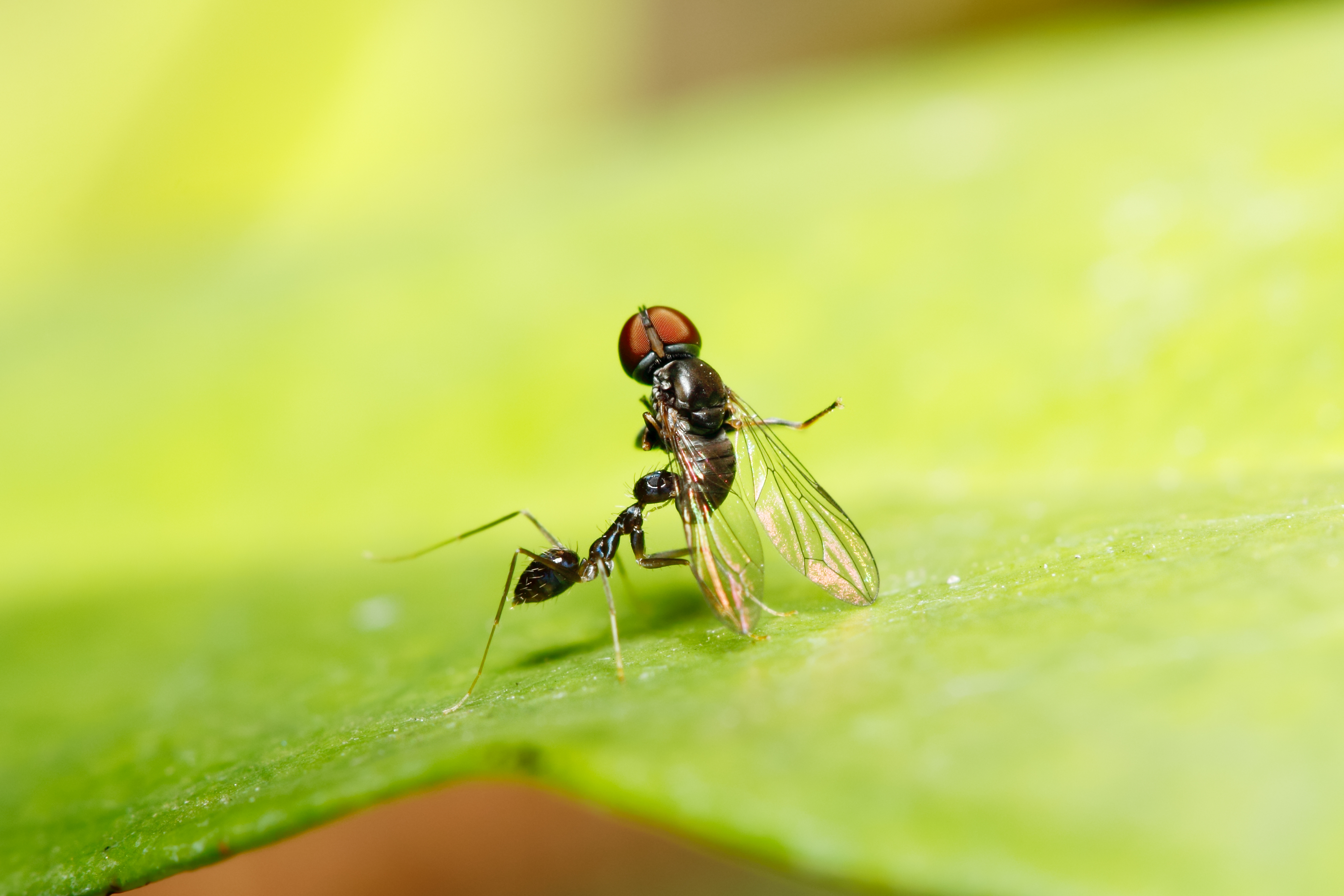
Renowned for their painful stings, fire ants are an invasive species that has thrived in the warm climate of Southwest Florida. Their mounds, often found in open areas, can damage lawns and agricultural land. These aggressive ants are not only a threat to human health but also to wildlife. Management involves a combination of baiting and direct nest treatments to reduce their populations effectively.
The Florida Carpenter Ant
(Camponotus floridanus)
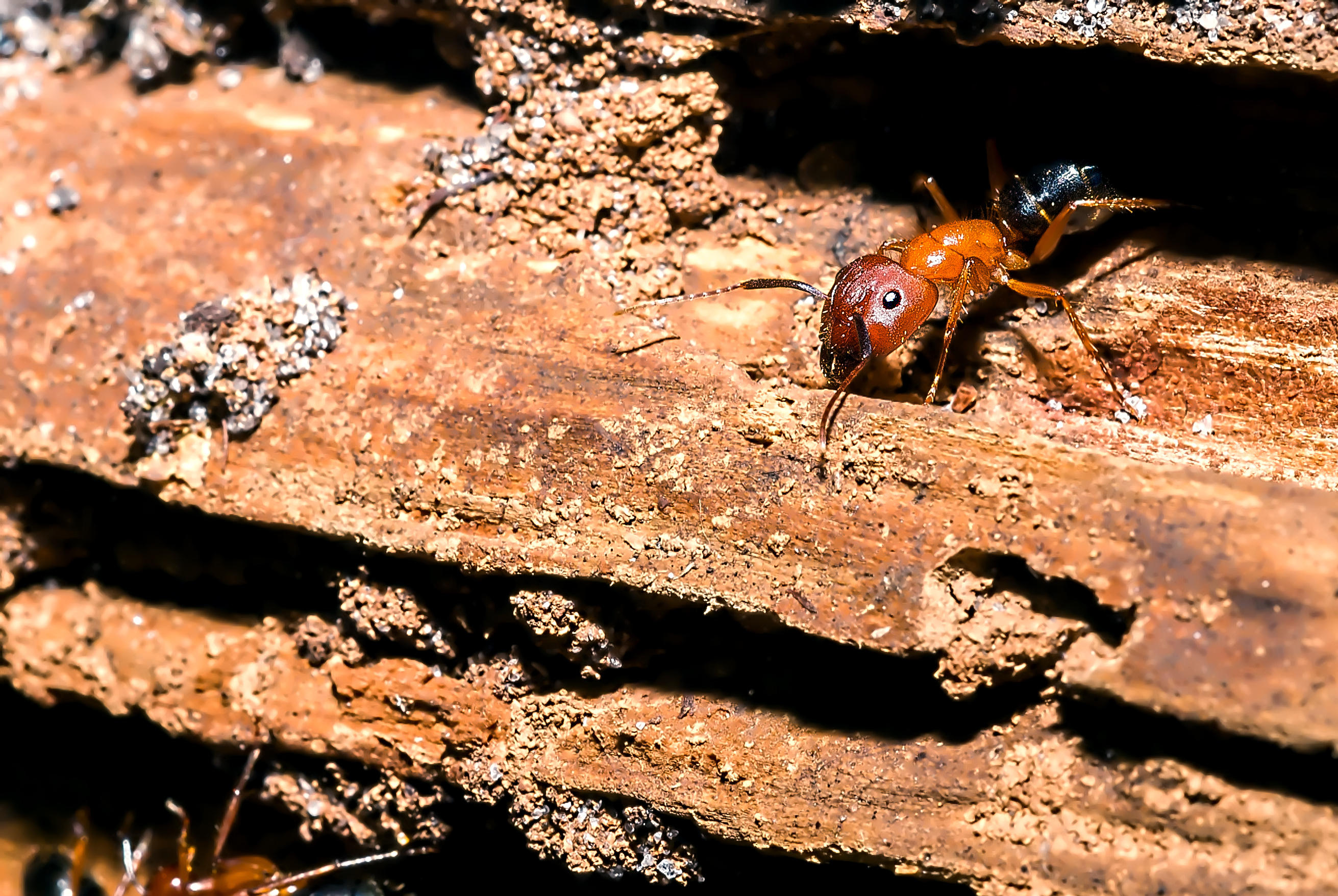
The Florida carpenter ant, a native species, is often mistaken for the more widespread carpenter ant (Camponotus spp.). These ants are beneficial to the ecosystem, helping to break down dead wood and other organic materials. However, when they nest in structures, they can become a nuisance. They are large ants, typically red-black or solid black, and prefer to nest in moist wood. Preventing moisture accumulation in wood structures is key to deterring these ants, along with regular inspections to catch any potential infestation early.
The Ghost Ant
(Tapinoma melanocephalum)
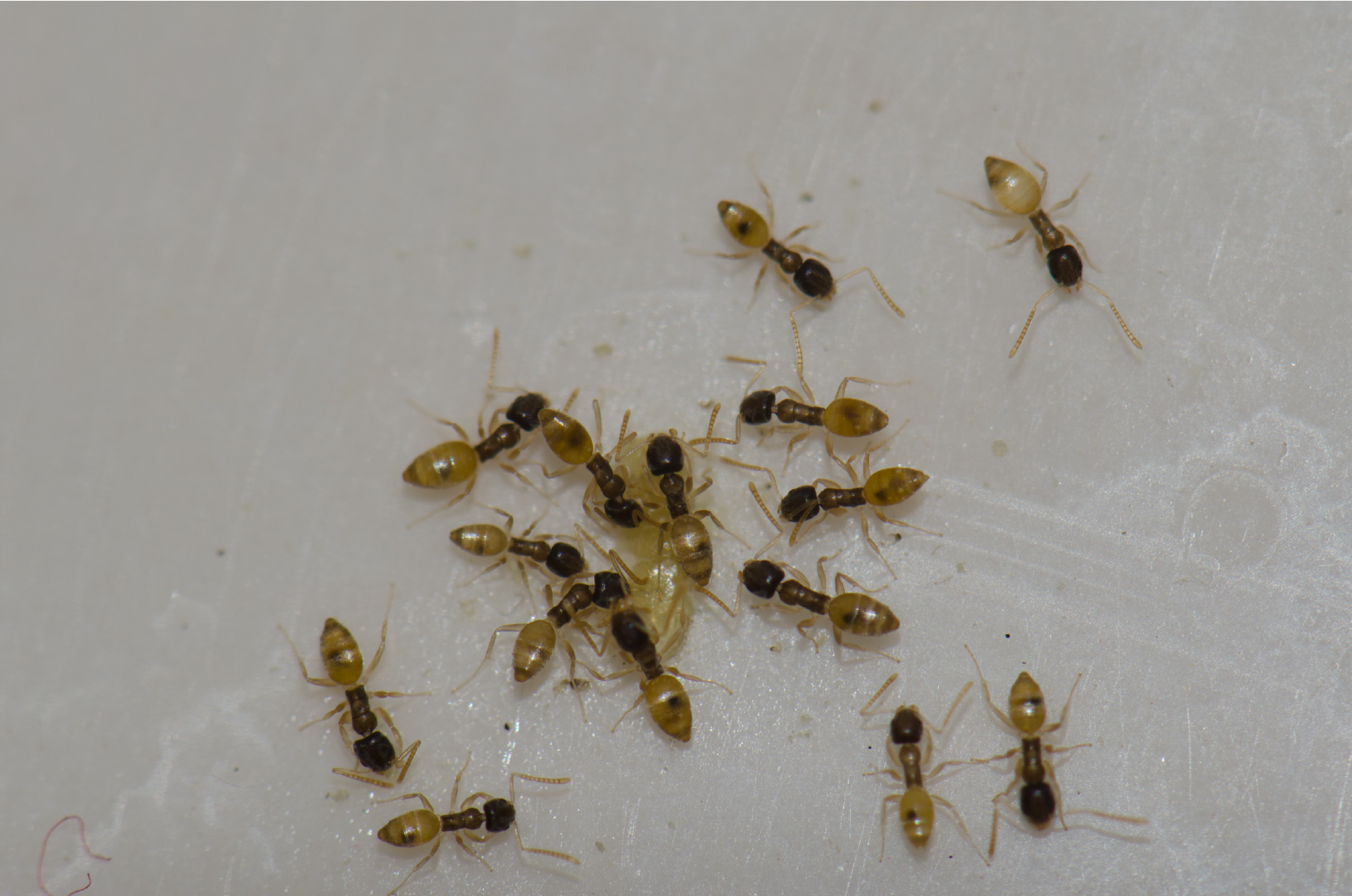
The ghost ant, named for its translucent legs and abdomen, is a common indoor pest. Preferring sweet substances, they often invade kitchens in search of sugary spills. Their nests are typically located in moist areas, both indoors and outdoors. To prevent infestations, eliminate standing water and seal food containers tightly.
The Pharaoh Ant
(Monomorium pharaonis)
Pharaoh ants are another indoor nuisance, recognizable by their light yellow to red bodies. These ants are particularly troublesome in healthcare facilities, where they can spread pathogens. Controlling pharaoh ants requires a baiting strategy that targets their preference for proteins and sweets, as well as rigorous sanitation practices to remove food sources.
The Rover Ant
(Brachymyrmex patagonicus)
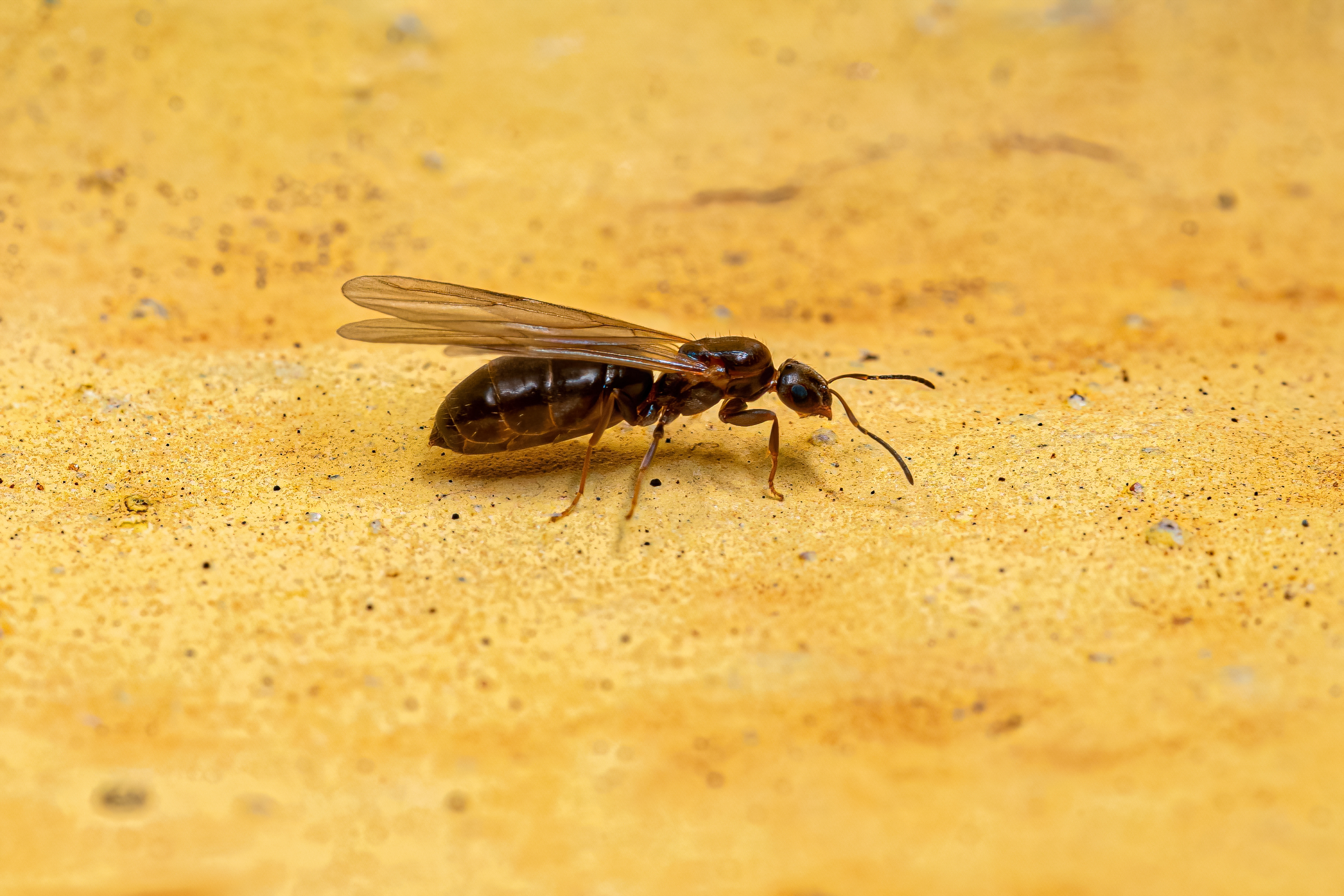
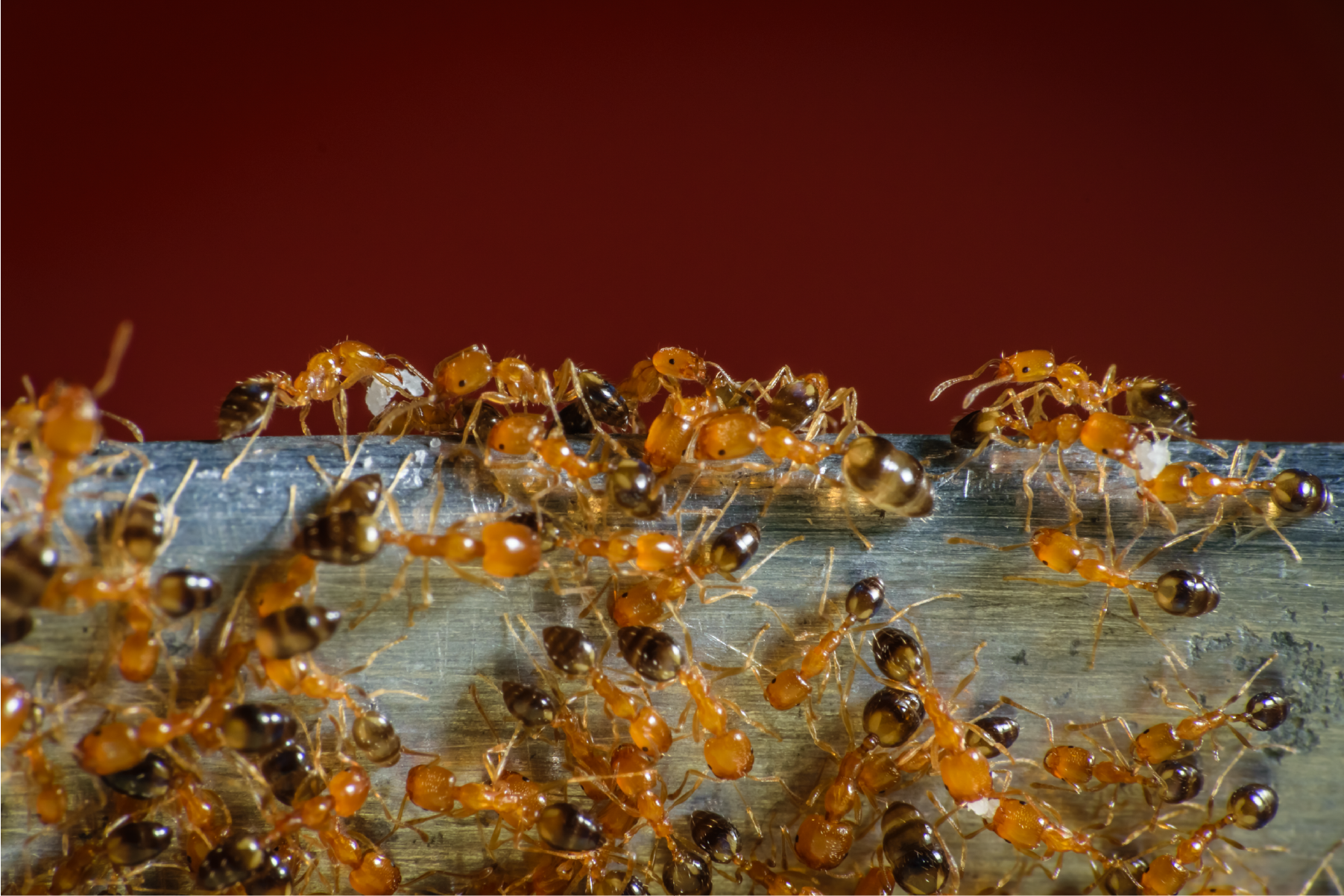
Rover ants are small, dark brown to black ants that have recently become more noticeable in Florida. They are adaptable, nesting in a wide range of habitats, from moist soil to under objects on the ground. These ants are attracted to sweets and can be found trailing into homes. Managing rover ants involves eliminating standing water, sealing entry points, and using ant baits that cater to their sweet tooth.
The White-Footed Ant
(Technomyrmex difficilis)
The white-footed ant has become a significant pest in Southwest Florida. These ants are attracted to sweet foods and are often found in kitchens and bathrooms. They are small and black, with distinctive white feet, making them relatively easy to identify. Control measures include thorough sanitation practices to remove food and water sources, as well as targeted baiting strategies that address their specific dietary preferences.
Keeping Ants Under Control
Understanding the specific habits and preferences of these ant species allows for more effective management strategies that can reduce their impact without resorting to excessive use of pesticides. Integrated Pest Management (IPM) techniques, which combine biological control, cultural practices, mechanical methods, and chemical treatments, offer a sustainable approach to ant control.
Preventative Measures:
Sanitation: Regular cleaning to remove food residues and spills, particularly of sweet substances, can significantly reduce ant attractions indoors.
Exclusion: Sealing cracks, crevices, and other entry points can prevent ants from entering buildings.
Moisture Control: Fixing leaks and ensuring proper drainage can deter many ant species that prefer moist habitats.
Management Strategies:
Baiting: Using baits that cater to the specific dietary preferences of the ant species can effectively control their populations.
Professional Help: For persistent or large-scale infestations, consulting a pest management professional can provide tailored solutions that consider both the specific ant species and the environment.
Pest Wizard Makes Ants Disappear!
At Pest Wizard, we are dedicated to providing our clients with knowledgeable and sustainable solutions to their ant-related challenges. Whether you're dealing with an immediate ant infestation or seeking preventative measures, we're here to help.
Contact Pest Wizard today for a free inspection!
Serving Charlotte, Collier, Lee, and Sarasota Counties


Popular posts
Autem dolore, alias, numquam enim
By John Doe on Jan 5, 2022
Excepteur sint occaecat cupidatat non proident
By Mark Smith on Jan 5, 2022
By Mark Smith on Jan 5, 2022
By John Doe on Jan 5, 2022
Adipisci velit, sed quia non numquam eius
By John Doe on Jan 5, 2022
By Mark Smith on Jan 5, 2022
About this blog
Donec sollicitudin molestie malesuada. Nulla quis lorem ut libero malesuada feugiat. Pellentesque in ipsum id orci porta dapibus. Vestibulum ante ipsum primis in faucibus orci luctus et ultrices posuere cubilia Curae; Donec velit neque, auctor sit amet aliquam vel, ullamcorper sit amet ligula. Quisque velit nisi, pretium ut lacinia in, elementum id enim. Donec sollicitudin molestie malesuada.


Created with ©systeme.io